Boring Stories method

How we make slow films.

We find the cinematic story inside unglamorous engineering. The method is restraint: a director, a subject, time, and the discipline to leave the rest out. That's the whole argument against "we'll just use AI."

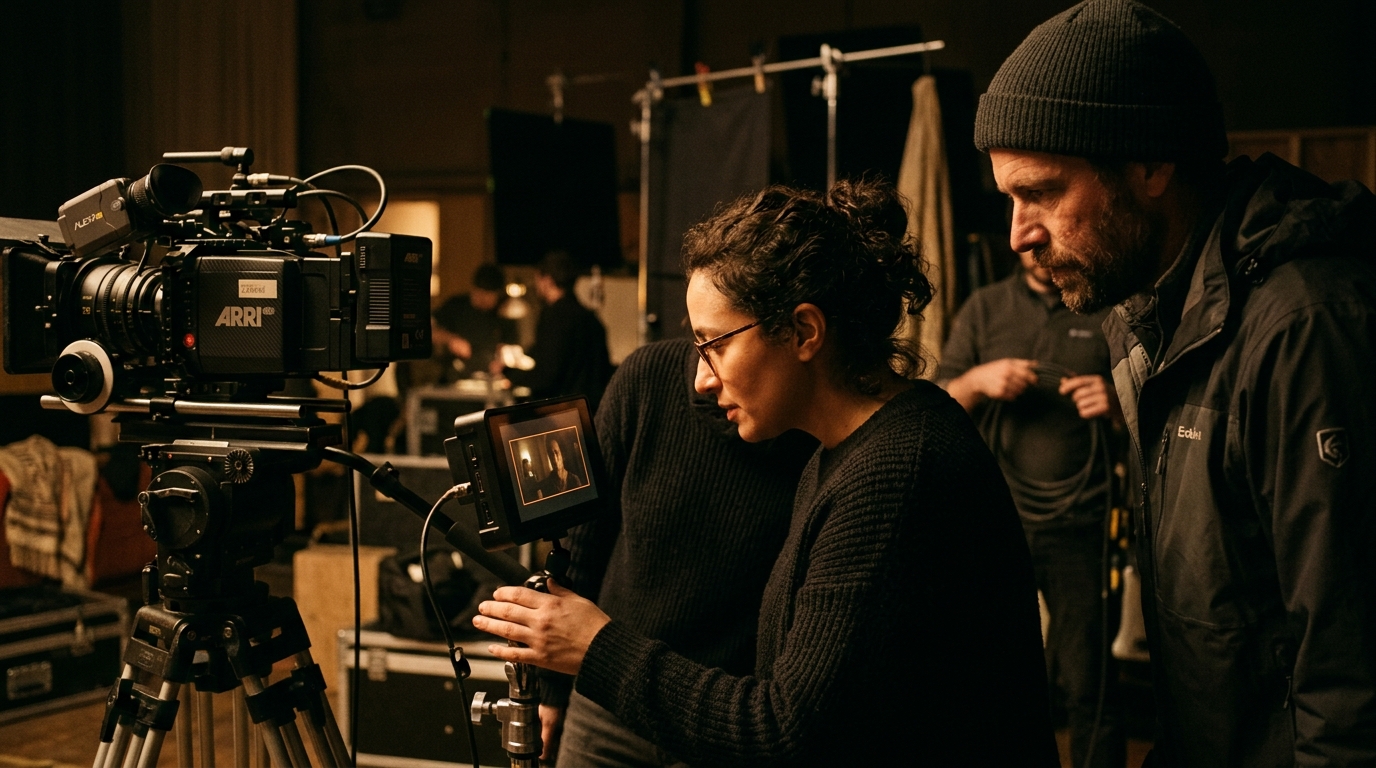
A documentary director and camera operator watching a monitor in low light on set. On set · the monitor
Authored, not generated

Someone is behind the camera, deciding.

A render can imitate the look of a film. It can't decide which silence to hold, when to cut, or what to leave in shadow. Those are taste decisions a person makes in the room, with the subject, in the moment. That judgement is the product. It is also the thing that can't be prompted.

Four rules we don't break

The method is mostly about what we refuse to do.

01

Director-led

One point of view, start to finish. A film is a set of choices, not a coverage checklist. We make the choices and stand behind them.

02

Long takes

We let a moment run past the point most edits would cut. The truth in a portrait usually arrives after the subject forgets the camera.

03

Natural light

The room's own light, mostly. North windows in Kokkedal, a ghost light in an empty house. We shape it, we don't manufacture it.

04

Stillness allowed

Subjects are allowed to be quiet, to think, to listen. We don't fill silence with motion. For a brand built on silence, that's the whole register.

A microphone you can't hear, filmed by a studio you can't see working. The craft is in the disappearing.The Boring Stories register

Why it fits DPA

Your whole religion is true sound, delivered honestly. The mic should not colour the sound. Our register is the same idea in film: the camera should not colour the subject. We make the equipment, ours and yours, disappear, so the person and the craft are all that's left.

That's not a style. It's the only honest way to film a brand whose product is invisibility.

The counter

"We'll just use AI." The honest answer, in plain terms.

Generated footage gets you a moodboard. It doesn't get you a film.

AI is good at the average of everything it has seen. A great portrait is the opposite: a specific person, in a specific room, doing a specific thing no model has watched. The value of a DPA film is exactly the part that can't be averaged, the real designer, the real hands, the real silence. We use AI where it belongs, in the boards and the previs you've been looking at on this site. We don't use it where the truth is. That's the line.

Slow, authored, on film. The way the object deserves.